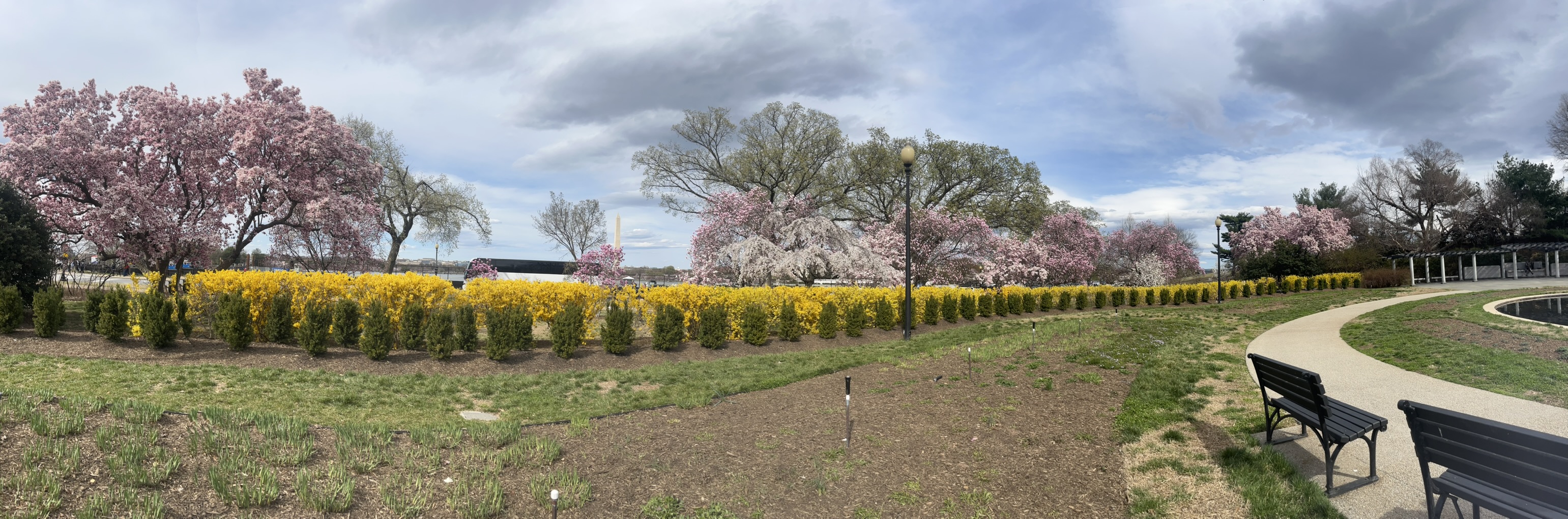
Equanimity
People are scrambling for a sense of identity now that a government has been elected that feels fascist and power-hungry. Even those who voted for such a leader are simply calling to be heard—their vote springs from a place of not being seen. Their response becomes extreme, hoping their needs will finally be met. It’s time to turn inward, to stop leaning on leaders and false gurus as our guides. We are all being asked to question our own values and principles, especially when leaders and the masses begin to undermine fundamental values like equality. When this happens, leaders create policies that have the potential to harm so many. Equality is a dharmic value that the soul is crying out for—to not be discriminated against because of race, color, sex, or gender. We all want to be seen and accepted for our diversity. This is a spiritual principle that every individual seeks to embody.
Yet, spiritual traditions, religious leaders, and organizations may claim they uphold diversity and inclusion, but woven into their cultural fabric is often a history of exclusion and discrimination. My own spiritual tradition fundamentally teaches that “one is not the body,” and that to discriminate against the body is ignorance. Yet, the culture that carries these teachings remains patriarchal, with deep-seated biases against race and gender. Claims of inclusion are sometimes used not to evolve consciousness, but to attract followers, serving power-hungry leaders rather than offering true, compassionate care for marginalized and underserved communities.
When there is injustice, responding with equanimity can feel impossible. It’s challenging to see with equal vision when conflict and injustice rise, as we are often forced to choose sides. In Sanskrit, equanimity is linked to the word upekṣā, which means “even-mindedness” or “balanced mind.” It involves being fully present with whatever arises, without clinging to pleasure or resisting discomfort. It’s a key aspect of mental and emotional resilience. Yet, when faced with conflict, we’re often pushed far from this state of mind.
Arjuna, the warrior from the Bhagavad Gita, (2.38, 2.48) was asked to fight while remaining equipoised in success and failure, happiness and distress—but always upholding dharma (virtue) regardless of the outcome. Acting with equanimity, especially when faced with injustice, requires a level of detachment and presence of mind. It’s about showing up, doing one’s dharma (duty), but with detachment. I’ve thought deeply about this—non-attachment doesn’t mean stripping away valid feelings or emotions. Often, our emotions act as a compass, guiding us towards justice. But if our emotions are driven by personal gain or not aligned with Dharmic values, we won’t be able to respond with equanimity. Our response will be effective only when it comes from a place of true balance.

Equanimity doesn’t mean inaction or passivity. Discomfort may arise, but responding mindfully and proactively, rather than reacting impulsively, takes practice. It doesn’t mean giving up our intelligence or the faculty of discrimination. In fact, it’s quite the opposite—true equanimity sharpens our discernment. It allows us to see clearly without becoming disturbed, to respond in alignment with dharma, and to create awareness and change when we have the power to influence. At the same time, it teaches us to remain detached from the things we cannot change.
Seeing the bigger picture is crucial, especially when change is the only constant. Happiness and distress will ebb and flow, just as success and failure will come and go. Equanimity helps us navigate these cycles with a steady, balanced mind.
Politics often divides friends, family, and communities. I’ve found myself caught in family political conflicts, feeling a sense of defeat if I don’t speak up against the injustice I see. Yet, arguing with family feels equally destructive.
Recognizing our inability to stay balanced is the first step. Stepping back and observing our gut emotions—anger, upset—while restraining the impulse to react allows us to choose a mindful response based on higher values. It’s easy to fuel the fires of division, but this doesn’t promote inclusion or equal vision. Instead, we end up unconsciously contributing to the very exclusion we are fighting against. Even those who seem to perpetrate injustice often feel righteous in their own fight for justice. True inclusion means including everyone.
Learning to coexist with division while remaining equipoised does not mean conforming or compromising one’s sense of justice to appease others. Equanimity allows for the coexistence of differences. It means staying emotionally balanced even in discomfort, not reacting to the anger that may bubble up inside, but instead questioning where the anger comes from and why. Understanding the root of our own anger might help us mirror the root of the opposing side’s anger.
Cultivating equal vision means seeing that a person’s political stance is often a cry for love—each individual longs to be seen. Division grows when we fail to acknowledge another person’s pain. Separating a person’s pain from their political choices is crucial. Feeling compassion for their pain, while recognizing that their actions may be a protective barrier, allows us to respond with equanimity.
Again responding with a non-attachment is key
